CATHEDRAL
It is a work of art from the colonial period, whose construction began in 1560 and was completed in 1664.
This architectural masterpiece reflects the Catholic faith of our city, where you can observe Andean syncretism represented in every detail. You will also notice the pragmatism of the Andean religion. Visiting the cathedral is like traveling back to colonial times — it will enchant you.
QORICANCHA
The great Temple of the Sun, also called the Golden Palace. It is known by this name because, upon the arrival of the Spaniards, they could hardly believe their eyes at the immense amounts of gold and silver.
At the same time, it also represents the highest architectural technology, with stone joints so precise that not even a pin could fit between them.
SACSAYHUAMÁN
A cyclopean megalithic construction that represents the power and determination of ancient Peruvians. It is not just a structure — it is art.
Studies reveal that this site had many functions, including advanced astronomical observation, explaining why the ancient Quechuas developed such a perfect calendar that still survives today.
QENQO
A very mysterious archaeological site with no clear theory about its purpose.
Some suggest it was a place of worship, astronomical observation, or sacrifices. Either way, it is a wonderful site that inspires poetry.
Its chambers and the presence of a tunnel give the place a positive energy.
PUKA PUKARA
A small site that offers a stunning view, including the highest glacier in the Cusco region, called Ausangate. From here, you can also see an Inca trail that connected the Sacred Valley with Cusco. Visitors can take a walk and enjoy the Andean flora.
TAMBOMACHAY
Also known as the Temple of Water, it is a place where visitors can experience and enjoy the sound of water flowing from its Inca fountains. There is also a waka, a rock used by Inca priests for their rituals.
CHINCHERO
An Inca town known as “the town of weavers,” where men and women preserve ancestral weaving knowledge and techniques untouched by outside influence. You can also see Inca walls that remain intact to this day. The famous colonial temple, where religious practice is more pragmatic, can also be admired. Chinchero is also known as “the land of the rainbow.”
MORAY
A spectacular archaeological site that helps visitors understand why thousands of varieties of potatoes, corn, quinoa, and other crops exist. This site demonstrates the advanced agricultural knowledge of our ancestors, knowledge still used today by farmers in other parts of the world to improve production.
MARAS SALINERAS
One of the main sources of salt, where locals continue harvesting salt considered among the highest quality in the world, a practice dating back to pre-Inca times. The salt is exported to more than 32 countries, and all extraction processes are done manually. It is common to see entire families working in this salt mine, contributing to the local economy.
TIPÓN
A true work of Inca engineering, where visitors can admire terraces connected by aqueducts, drainage systems, and water channels. Each terrace demonstrates Inca ingenuity at its highest level — it is impressive.
PIKILLAQTA
One of the largest and best-preserved pre-Inca archaeological sites, belonging to the Wari culture, who are believed to have taught the Quechuas how to build planned cities. Visitors can explore every corner of this complex and admire the harmony between nature and the Andean people.
ANDAHUAYLILLAS
A beautiful, paradisiacal village that houses one of the best-preserved chapels decorated with gold leaf, known as the “Sistine Chapel of the Americas.” It showcases various art styles and Andean religiosity blended with Catholicism, represented in the images of its virgins and colonial-era paintings. The main square, surrounded by pisonay trees, adds to the village’s charm.
PUKARA
A little-known archaeological complex filled with agricultural terraces, temples, tombs, and ceremonial spaces. A wall reaches up to 12 meters high in some areas. Visitors can also take an easy walk from this site to the Tipón complex.
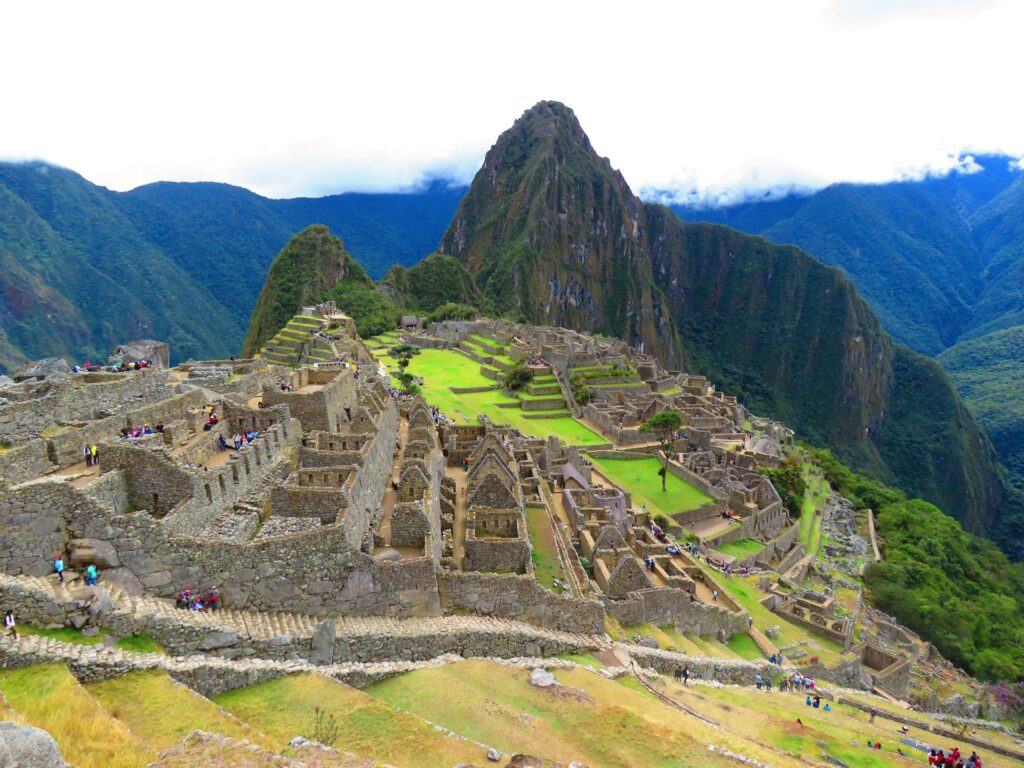
MACHU PICCHU
The New Wonder of the World, a dream for millions, offering a spiritual, visual, and nature-connected experience.
An entire Inca town, divided into urban and agricultural sectors, further subdivided into smaller areas.
At Machu Picchu, visitors can observe various Inca engineering and hydraulic techniques.
Machu Picchu opens its doors to every visitor, inviting them to enjoy the great mystery of the site.